Troll Hunter: Meet the Oregon Lawmaker Who May Fix the Patent Mess →
This morning, Representatives Peter DeFazio (D-OR) and Jason Chaffetz (R-UT) introduced the SHIELD Act, which would create a "loser pays" system for some types of patent litigants. The bill is meant to stymie companies that do nothing more than file patent lawsuits.
That's a good start.
Pentagon Looks to Fix 'Pervasive Vulnerability' in Drones →
It'd be great if someone could simply write some sort of universal software checker that sniffs out any program's potential flaws. One small problem: Such a checker can't exist. [...] But while a universal checker is impossible, verifying that a particular program will always work as promised is merely an exceedingly-freakin'-difficult task.
And those can always be solved by throwing money at the problem.
Designing the Packaging-Free Future →
Some clever solutions to packaging things without packaging that contributes to waste.
John E. Karlin, Who Led the Way to All-Digit Dialing, Dies at 94 →
I never heard about Karlin before today, but he was a researcher who conducted studies on the design and functionality of the telephone and telephone numbers. Interesting cross-section of psychology and technology.
The goal is to become HBO faster than HBO can become us.
— Ted Sarandos, Arrested Development, House of Cards, and the Future of Netflix
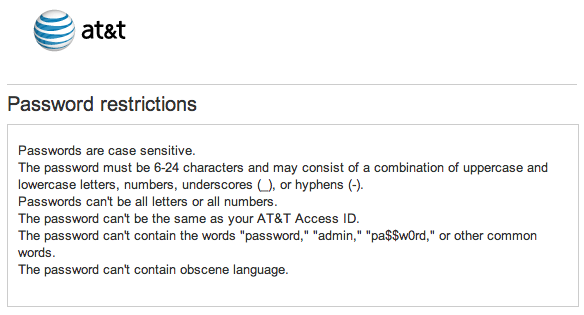
So, no special characters. That sounds like a great plan, AT&T...
They Cracked This 250-Year-Old Code, and Found a Secret Society Inside →
In which machine learning cracks the code of a 250-year old secret society.
MIT Brain Scans Show That Entrepreneurs Really Do Think Differently →
Our brains have two basic problem-solving strategies. Exploitation means taking advantage of what you already know, concentrating deeply on a current task to optimize performance and efficiency. Exploration means taking a step back from the task at hand to allow your mind to roam flexibly among alternatives.
Entrepreneurs appear to be more able to invoke both the logical and creative parts of the brain simultaneously when engaging in exploration than others tested in the study, though they were not actually any more likely to engage in exploration.
Not In My House: How Vegas Casinos Wage War On Cheating →
And speaking of theft and showbusiness, The Verge has a brief look at Vegas and its anti-cheating technologies.
The Spectacular Thefts of Apollo Robbins →
Robbins, who is thirty-eight and lives in Las Vegas, is a peculiar variety-arts hybrid, known in the trade as a theatrical pickpocket. Among his peers, he is widely considered the best in the world at what he does, which is taking things from people's jackets, pants, purses, wrists, fingers, and necks, then returning them in amusing and mind-boggling ways. Robbins works smoothly and invisibly, with a diffident charm that belies his talent for larceny. One senses that he would prosper on the other side of the law. "You have to ask yourself one question," he often says as he holds up a wallet or a watch that he has just swiped. "Am I being paid enough to give it back?"
A fascinating look at the intersection of magic, psychology, neuroscience, and larceny.