Ph.D student Zdenek Kalal demonstrates a learning motion tracking system called Predator that does some pretty impressive things. Full article and more videos here.
Windows 8 for Software Developers →
Ars Technica rounds up what we think we know about developing for Windows 8, including possible new runtimes, HTML5, and a unified presentation layer, and discusses the possible future of Win32, WPF, .NET, and Silverlight.
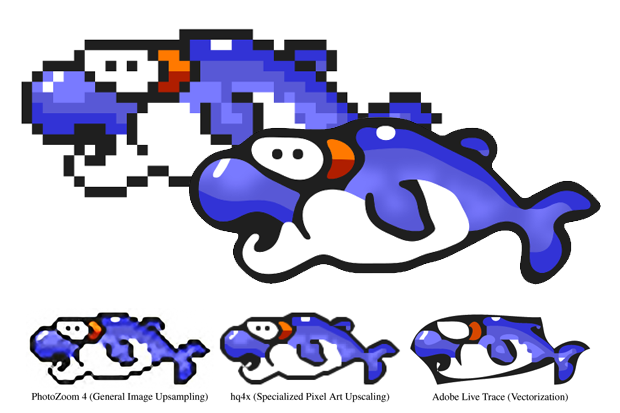
Perfect vector graphics from 8-bit images? Pretty impressive algorithm. Pretty cool possibilities. (via Wired)
Facebook Is the Largest News Organization Ever →
News organizations do two major things, commercially speaking: they use news to grab attention and then sell that attention to advertisers.And if that wasn't enough to convince you, there's the whole rest of the article from the Harvard Business Review to support the premise.
Stephen Elop's Nokia Adventure →
Business Week provides an in-depth look at Stephen Elop's role as the new CEO of Nokia and the company's decision to abandon Symbian and MeeGo and avoid Android in favor of Windows Phone 7.
Huh. Netflix just updated my Watch Instantly home page to a sleek touch-friendly HTML5 version. It's got a nice theme, but shows me a lot less content now.
Caring for Your Introvert →
Another great article on introverts, this time from the Atlantic.

MSNBC highlights the unprecedented photos of the space shuttle docked with the International Space Station, all of which can be seen (and downloaded) in high-res from NASA's gallery.
Cloverton →
I've had a song by Cloverton stuck in my head all day, only to find out it's currently available as a free download from FreeCCM. Check out "Take Me Into the Beautiful" for yourself.